
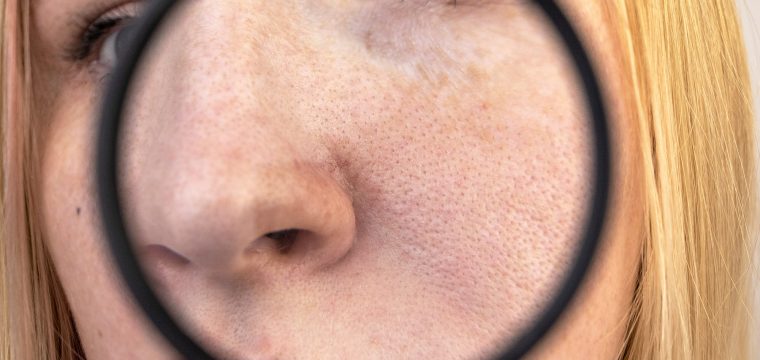
What Causes Enlarged Pores and What Influences Them
Last updated on October 6, 2026
Pores do not open, close or permanently enlarge. What changes is how visible they are, and that is influenced by four things: inherited follicular structure, sebum production, congestion within the follicle, and the collagen and elasticity of the surrounding skin
Visible pores are part of normal skin anatomy, but their prominence can vary considerably between individuals and across different areas of the face. Genetics establishes much of the underlying pattern, while sebum, congestion and changes in the surrounding skin can influence how noticeable that pattern becomes.
Understanding what causes enlarged pores starts with separating the permanent structure from the temporary appearance. Oil, surface debris, skin texture and lighting can make the same follicular opening look more or less prominent.
What Are Facial Pores?
Facial pores are the small openings on the skin’s surface that connect to hair follicles and oil glands. They allow sebum, the skin’s natural oil, to reach the surface and help maintain normal skin lubrication.
Pores are usually more visible through the central face, particularly around the nose, forehead and inner cheeks. These areas contain larger and more active sebaceous glands than many other parts of the skin, so their follicular openings naturally tend to be more noticeable.
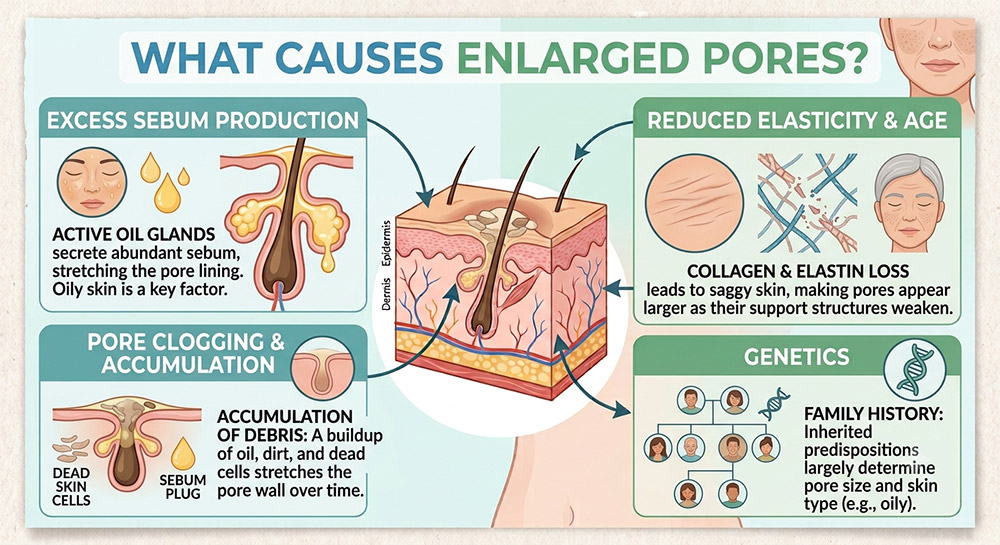
Genetics establishes the underlying pore pattern, while oil and congestion can affect its visibility.
The Main Factors That Influence Pore Appearance
Four factors account for much of the variation in pore visibility: inherited structure, sebum production, congestion and support from the surrounding skin. Each can affect the appearance of pores in a different way.
How Genetics Affects Pore Structure
Genetics influences sebaceous activity, follicular structure and the natural distribution of visible pores. Two people following similar routines may therefore have noticeably different pore patterns. Skincare alone cannot override these inherited structural differences.
How Sebum Production Affects Pore Visibility
Greater sebum output is associated with more visible facial pores, particularly in oil-prone areas. Oil can also mix with keratin and other material within the follicle, making the opening easier to see without necessarily producing a permanent structural change.
Congestion and Blocked Follicles
When sebum and keratin collect within a follicle, the opening may look darker and more defined. Blackheads and normal sebaceous filaments can both increase pore visibility, although they are not the same thing.
How Ageing and Sun Exposure Affect Pores
Changes in collagen, elasticity and surrounding structural support may affect the shape and visibility of follicular openings over time. Cumulative ultraviolet exposure contributes to these changes, but there is no particular age at which pores suddenly become larger.
Why Can Pores Look Different From One Day to the Next?
Temporary changes in sebum, surface debris, makeup and skin texture can alter how clearly the opening is defined. Lighting also has a considerable visual effect, particularly when it creates shadows across an uneven surface.
Hydration can influence the smoothness of the surrounding stratum corneum, but it does not change the pore’s underlying structure. Well-moisturised skin may reflect light more evenly, while a dry or irritated surface can make the general texture appear more pronounced.
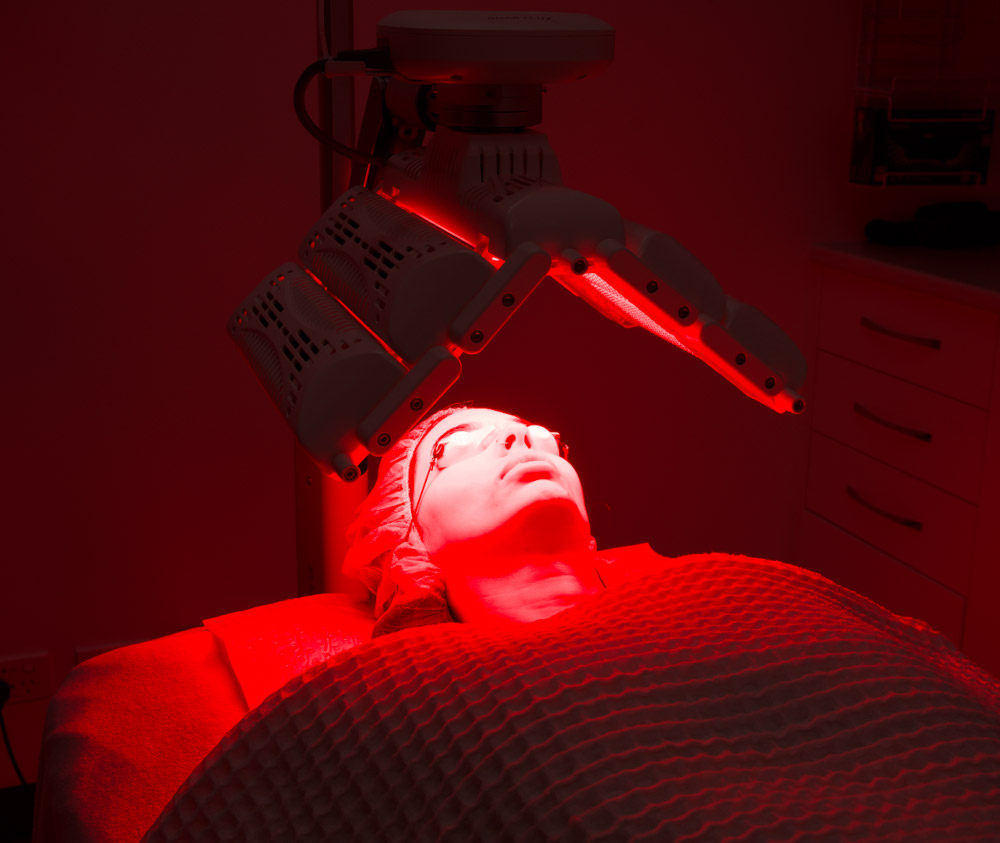
Pores do not open and close, but changes in the surrounding skin can make them appear more prominent.
Common Myths About Pore Size, Explained
Pores are often described as though they can be opened, closed or permanently erased. These claims confuse temporary changes in surface appearance with the underlying structure of the follicle, which does not change in response to heat, cold or topical products.
| Common Myth | What Actually Happens |
|---|---|
| Steam opens pores | Heat may soften surface oil, but pores do not open like doors |
| Cold water closes pores | Cool water may temporarily change skin sensation or redness, but it cannot close follicular openings |
| Pore strips shrink pores | They may remove some surface material temporarily, but they do not alter the underlying pore structure |
| Oily skin should be dried out | Harsh products may irritate the surrounding skin without resolving the factors responsible for visible pores |
| More exfoliation creates smaller pores | Excessive exfoliation can cause irritation and make skin texture appear less even |
What Can Skincare Realistically Change About Pores?
Pores cannot and should not be eliminated because they are part of normal skin function. Skincare can instead address some of the factors that make them more noticeable, including surface oil, congestion, irritation and uneven texture.
Gentle cleansing can remove sunscreen, makeup and excess surface oil without repeatedly stripping the skin. Ingredients such as salicylic acid (a BHA), niacinamide and retinoids are commonly used to help manage congestion and support a more even texture, while consistent sun protection supports the collagen and elasticity surrounding follicular openings.
Forceful extraction, picking and aggressive exfoliation should be avoided. These practices can increase inflammation and potentially create longer-lasting textural or pigmentary changes without altering the inherited pore pattern. For those wanting a more tailored approach, professional skin treatment options can be discussed as part of an individual assessment.
Key Takeaways: What Causes Enlarged Pores
- Your basic pore pattern is largely determined by anatomy and genetics, but its visibility can still change.
- Oil production, congestion, sun exposure and support from the surrounding skin all influence how prominent pores appear at different times.
- A considered approach focuses on the factor making pores more noticeable, rather than promising to close or erase them.
At Prophile Clinics, we can assess oil production, congestion, texture and skin history before explaining what, if anything, may be appropriate for the individual’s skin.
How to Book an Appointment
To book an appointment, please call 0485 960 001, email us at admin@prophileclinics.com.au, or book online via the form below.
Frequently Asked Questions About Enlarged Pores
Why are the pores on my nose more visible?
The nose contains numerous active sebaceous glands, so follicular openings and sebaceous filaments are often easier to see there. Greater oil production can make this natural pattern more noticeable.
Are blackheads the same as enlarged pores?
No. A blackhead is an open comedone, meaning a follicle blocked with keratin and sebum that has darkened at the surface. Enlarged-looking pores may be completely clear, with their visibility instead influenced by natural skin structure, oil production or changes in the surrounding skin.
What are sebaceous filaments?
Sebaceous filaments are normal collections of sebum and skin cells that help line the follicle and transport oil to the surface. They often return after extraction because they are part of normal follicular function.
Can makeup make pores permanently larger?
Makeup does not ordinarily change the permanent structure of pores. Products that contribute to congestion or are not removed appropriately may make follicular openings look more noticeable.
Does over-cleansing make pores look worse?
Yes. Harsh or excessive cleansing irritates and dehydrates the skin’s surface, which can make texture look less even and pores more noticeable. But it won’t change the actual size or structure of your pores, that’s determined by genetics.
Does oily skin always mean larger pores?
Oily skin is associated with greater pore visibility, but the relationship is not absolute. Genetics, follicular structure, age and the area of the face also influence appearance.
Can enlarged pores be permanently removed?
No, because pores are necessary openings connected to follicles and sebaceous glands. Their visibility may change, but claims that they can be permanently erased are unrealistic.
Can sun exposure make pores look larger?
Cumulative ultraviolet exposure can affect collagen and elasticity around follicular openings. Over time, this may contribute to pores looking more prominent alongside other changes in skin texture.
Can moisturiser reduce the appearance of pores?
Yes, moisturiser can help pores look less noticeable. It smooths and hydrates the surrounding skin, which reduces the contrast between the pore and the skin around it, so pores appear less visible. However, it doesn’t actually shrink pores or permanently change their size.
Are pore strips harmful to the skin?
Occasional use may remove superficial material, but pore strips can irritate some skin and do not provide a permanent change in pore size. Repeated use is unlikely to address the underlying reasons pores are visible.

August 25, 2026
August 18, 2026
August 11, 2026
August 4, 2026
July 22, 2026
 Online Marketing For Doctors

