
Address the Appearance of Visible Stretch Marks and Support Skin Structure
Stretch marks, also known as striae, are common skin changes that can develop when the skin is stretched rapidly, often due to growth spurts, pregnancy, or significant changes in body weight. These marks typically appear as linear streaks that may start off red, purple or dark brown and gradually fade to a silvery tone over time.
While they are a normal part of skin adaptation, many people consider treatment when stretch marks affect skin texture, tone or become more visible in areas such as the abdomen, thighs, hips or arms.
At Prophile Clinics, a range of treatment options is available to address the appearance of stretch marks and support improvements in skin texture and overall skin quality using non-surgical methods.
What Causes Stretch Marks?
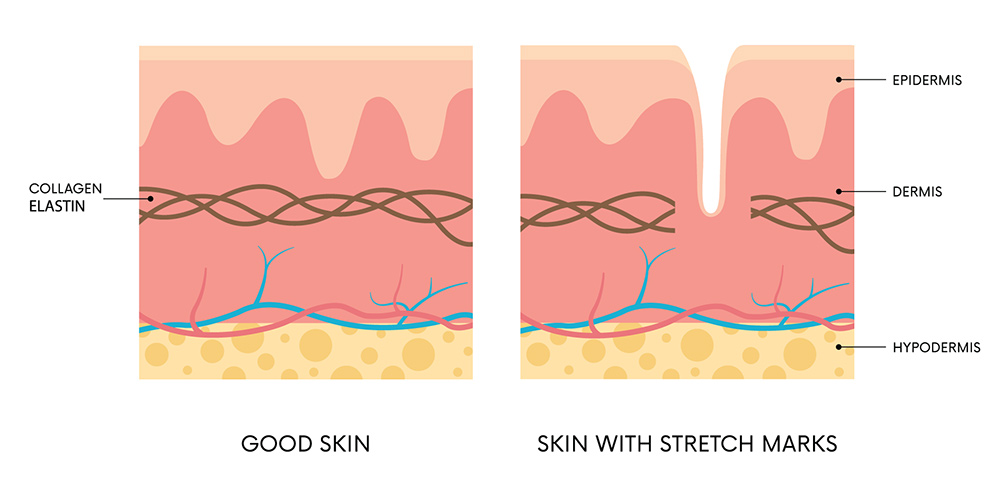
Stretch marks form when the skin’s underlying structure is disrupted due to mechanical stress. The breakdown of collagen and elastin fibres can cause small tears in the dermis, which appear as visible marks on the skin’s surface. Several factors may contribute to their development:
- Rapid weight gain or loss
- Pregnancy or hormonal changes
- Growth spurts during puberty
- Genetic predisposition
- Use of corticosteroid creams or medications
- Reduced skin elasticity due to age or other factors
Can You Prevent Stretch Marks?
While not all stretch marks can be avoided, supporting overall skin health may help reduce their severity. Preventative strategies include:
- Hydration and Skin Care: Maintaining moisture and using skincare that supports the skin barrier can help retain elasticity and reduce the risk of overstretching.
- Gradual Body Changes: Where possible, slow and steady changes in body composition place less stress on the skin compared to rapid shifts.
- Balanced Nutrition: A diet rich in vitamins A, C and E can support collagen production and contribute to overall skin resilience.
- Sun Protection: UV exposure can darken stretch marks and make them more noticeable. Using broad-spectrum sunscreen helps to protect both the affected and surrounding skin.
When to Consider
Stretch Marks Treatment
While some stretch marks fade over time, others remain visible or textured long after they form. You might consider professional treatment if:
- The marks are deep, discoloured or extensive
- The skin feels uneven or lacks elasticity in the affected area
- Topical skincare has had a limited impact
- You’re seeking a non-surgical option to support skin texture and tone
We assess each case individually to determine the most suitable approach based on your skin type, stretch mark maturity and treatment goals.
Stretch Marks Treatment Options
at Prophile Clinics
At Prophile Clinics, we provide evidence-based treatments that are designed to improve skin texture, encourage collagen renewal and reduce the appearance of stretch marks across a range of body areas. All treatments are performed by qualified professionals using advanced technologies tailored to suit your skin.
RF Microneedling
RF microneedling combines fine needles with radiofrequency energy to target the deeper layers of the skin. This approach stimulates collagen and elastin production, helping to smooth textural irregularities, reduce the depth of stretch marks and support firmer skin over time.
Skin Needling
We use the Skin needling to perform microneedling, which works by creating micro-channels in the skin to stimulate its natural repair process. This treatment is ideal for early or superficial stretch marks and can help refine texture while supporting a more even skin tone.
Laser Treatment
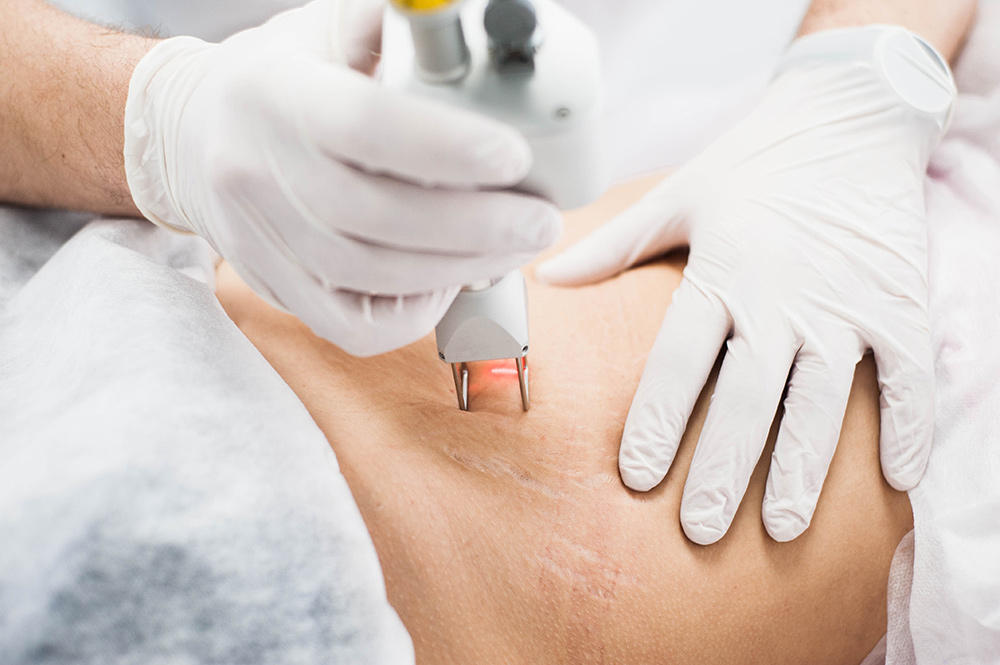
Our laser treatments are designed to target the dermal layers of the skin where stretch marks form. By encouraging collagen remodelling and reducing pigmentation, laser treatment can improve the appearance of red, purple or textured stretch marks with precision.
HIFU Treatments
HIFU uses high-intensity focused ultrasound to tighten skin and stimulate collagen production. It can be particularly effective in areas where stretch marks are accompanied by mild skin laxity, such as the abdomen, flanks or thighs.
How Much Does
Stretch Marks Treatment Cost?
The cost of treatment depends on factors such as the selected procedure, the number of sessions required and the size of the treatment area. At Prophile Clinics, we provide personalised treatment plans and a full breakdown of costs after your initial assessment, so you know what to expect before proceeding.

Book a Consultation to Discuss Options for
Addressing the Appearance of Stretch Marks
Why Choose Prophile Clinics for
Your Stretch Marks Treatment?
At Prophile Clinics, we provide personalised care using non-surgical technologies. Our treatments are designed to support healthy skin function, improve texture and encourage long-term renewal.
We assess each client individually, tailoring treatment plans to suit your skin type, stretch mark characteristics and goals.

Careful
Facial Assessment
Consultations focus on the type of concern present, the areas involved and factors such as skin texture, skin laxity and visible skin changes.

Personalised
Treatment Planning
Recommendations are guided by clinical judgement and tailored to the individual, rather than following a one-size-fits-all approach.

A Broader
Option Perspective
Where appropriate, pathways discussed may include laser, microneedling, Ultherapy, or other suitable options offered by the clinic.

Professional
Clinical Guidance
Consultations are designed to support informed decision-making, with options based on assessment, suitability and individual needs.

Individualised
Care
Each consultation is shaped around the person in front of the practitioner, with advice tailored to their concerns, presentation and consultation history.
Meet Dr Suvro Mondal
Cosmetic Doctor
AHPRA MED0002045277
MBBS MRCP (London) MRCGP (Oxford) FRACGP (Aus) DRCOG (London) DPD (Cardiff) Dip Skin Cancer.
Dr Suvro Mondal completed his Core Medical Training in the Oxford Deanery in the UK before moving into General Practice. Since relocating to Australia in 2016, he has continued to work as a GP, with a focus on skin health, minor procedures and skin cancer management.
With more than 15 years of medical experience across the UK and Australia, Dr Mondal brings a strong clinical background to aesthetic consultations and consultation planning. His approach is centred on careful assessment, honest guidance and practical recommendations tailored to each client’s individual concerns.

How to book an appointment
To book an appointment, please call us on +61485 960 001, email us at admin@prophileclinics.com.au, or book online via our website.
Frequently Asked Questions
If you have any more questions about stretch marks treatment or any of our other services, please don’t hesitate to contact us today. In the meantime, you can find more FAQs below that may provide the additional information you’re looking for.
Can you permanently get rid of stretch marks?
While stretch marks may not be completely removed, professional treatments may reduce their appearance by improving texture, tone and skin structure over time.
What is the best treatment for stretch marks on thighs or stomach?
The most suitable treatment depends on your skin type and the age of the stretch marks. Options like RF microneedling, laser treatment and HIFU are commonly used for the thighs, stomach and hips.
Do microneedling treatments work for old stretch marks?
Yes, microneedling treatments such as Skin needling or RF microneedling can help improve older stretch marks by stimulating collagen production and supporting skin remodelling.
What causes stretch marks and how can they be treated?
Stretch marks are caused by rapid skin stretching that disrupts collagen and elastin fibres. Treatments that promote collagen repair, such as microneedling, laser and ultrasound therapy, can improve their appearance.
Is laser or microneedling better for stretch marks?
Both can be effective. Laser is often preferred for red or pigmented marks, while microneedling is suitable for refining texture. A personalised consultation helps determine the most appropriate option.
How to book an appointment
To book an appointment, please call us on +61485 960 001, email us at admin@prophileclinics.com.au, or book online via the form below.
 Online Marketing For Doctors

