
Managing Melasma and Supporting
Even Skin Tone
Melasma is a common pigmentation concern that may cause darker patches to appear across the face. These areas of pigmentation often develop gradually and may become more noticeable over time, particularly following sun exposure or hormonal changes. While melasma is not harmful, it may affect how even or balanced the skin tone appears.
At Prophile Clinics, melasma treatment is guided by careful skin assessment and personalised planning. Melasma may develop for different reasons and can behave differently from person to person, which is why treatment is typically approached gradually and tailored to individual skin characteristics.
What Is Melasma?
Melasma is a form of pigmentation that appears as darker patches on the skin, most commonly on the face. These areas may range from light brown to darker tones and often appear in a symmetrical pattern across both sides of the face. Melasma is sometimes referred to as facial pigmentation and may develop slowly over time.
Melasma on the face is commonly linked with increased pigment production within the skin. This change may be influenced by hormonal factors, sun exposure, genetics and individual skin behaviour. Since melasma can vary in depth and intensity, melasma treatment is usually guided by careful assessment rather than a single approach.
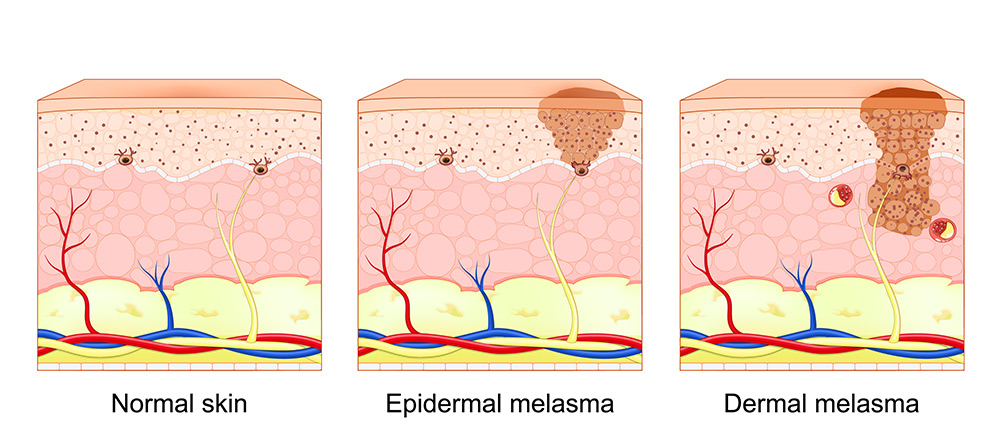
Where Melasma Commonly Appears
Melasma most often appears on areas of the face that are more exposed to sunlight. The distribution may vary between individuals, but certain areas are more commonly affected.
Common areas where melasma may appear include:
- Cheeks
- Forehead
- Upper lip
- Chin
- Bridge of the nose
- Jawline
In some cases, melasma pigmentation may develop gradually and become more noticeable over time, particularly following sun exposure or hormonal changes.
What Causes Melasma?
Melasma may develop due to a combination of factors, and in many cases, more than one contributing element may be involved. Identifying these factors can help guide a more measured and personalised approach to melasma treatment.
Common contributing factors may include:
- Sun exposure and ultraviolet light
- Hormonal changes
- Pregnancy
- Genetic predisposition
- Skin sensitivity to environmental factors
- Certain medications
- Heat exposure
- Changes in skin behaviour over time
These contributing factors may influence how melasma develops and how it behaves, which is why personalised assessment is often recommended.
Common Signs of Melasma
Melasma may present differently depending on skin type, depth of pigmentation and contributing factors. In many cases, the pigmentation develops gradually and may fluctuate over time.
Common signs may include:
- Patchy areas of darker pigmentation
- Symmetrical pigmentation across the face
- Brown or grey-brown patches
- Pigmentation that becomes more noticeable with sun exposure
- Uneven skin tone
- Gradual development of facial pigmentation
Can Melasma be Managed?
Melasma may be managed through a careful and measured approach based on individual skin characteristics and contributing factors. In many cases, treatment planning focuses on supporting overall skin balance and addressing pigmentation behaviour over time.
Melasma treatment may involve gradual planning and ongoing care, depending on how the pigmentation develops and responds. Since melasma can behave differently between individuals, treatment is typically guided by skin assessment and adjusted where appropriate.
When to Consider
Professional Melasma Treatment
Professional melasma treatment may be considered when pigmentation becomes more noticeable, persistent, or difficult to manage with skincare alone. Some people also seek assessment when melasma affects their overall skin tone or becomes more visible over time.
A consultation allows the skin to be assessed more closely, including pigmentation depth, distribution and contributing factors. This helps guide melasma treatment in a way that is tailored to individual skin behaviour and expectations.
Melasma Treatment Options
at Prophile Clinics
Melasma treatment at Prophile Clinics is guided by careful assessment and personalised planning. Since melasma may develop for different reasons, treatment approaches are selected based on individual skin characteristics and pigmentation behaviour.
Depending on your assessment, treatment options may involve:
- Pigmentation-focused skin support approaches
- Skin quality and skin balance support
- Professional skincare recommendations
- Gradual treatment planning where appropriate
- Combination approaches tailored to individual skin needs
The most appropriate melasma treatment approach depends on the skin type, pigmentation characteristics and contributing factors. In some cases, treatment may be planned gradually, with adjustments made over time depending on how the skin responds.
How Much Does Melasma Treatment Cost?
The cost of melasma treatment depends on the treatment approach recommended, the extent of pigmentation and the number of sessions that may be required. Following a consultation, a personalised treatment plan and pricing outline are provided based on your individual skin concerns and treatment goals.
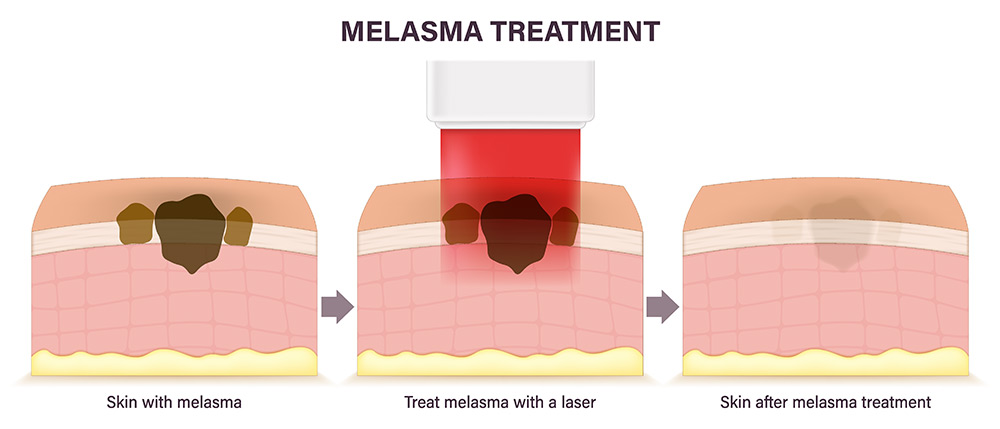

Book a Consultation to discuss melasma treatment options
Why Choose Prophile Clinics for
Melasma Treatment?
At Prophile Clinics, melasma treatment is guided by careful assessment and personalised planning. Since melasma may behave differently between individuals, treatment is tailored to the characteristics of the pigmentation and overall skin condition.

Personalised
Pigmentation Assessment
Treatment planning is guided by pigmentation depth, distribution and skin behaviour.

Gradual
Treatment Planning
Melasma treatment may be approached progressively, depending on skin response.

Professional
Non-surgical Care
Suitable approaches may be considered based on individual needs.

Focus on Skin
Balance
Treatment planning considers overall skin tone and pigmentation behaviour.

Ongoing
Support
Treatment plans may be adjusted over time depending on how the skin responds.
Meet Dr Suvro Mondal
Cosmetic Doctor
AHPRA MED0002045277
MBBS MRCP (London) MRCGP (Oxford) FRACGP (Aus) DRCOG (London) DPD (Cardiff) Dip Skin Cancer.
Dr Mondal completed his Core Medical Training in the Oxford Deanery, UK, before transitioning to General Practice. He has undertaken training in a range of aesthetic procedures in London and established a clinic in 2012 offering cosmetic and skin-related treatments.
Since moving to Australia in 2016, Dr Mondal has worked as a General Practitioner, with a focus on minor procedures and skin cancer management. With over 15 years of medical experience across the UK and Australia, he has developed an interest in aesthetic medicine through his background in skin care. He provides treatment options based on clinical assessment and individual patient needs.

How to book an appointment
To book an appointment, please call us on +61485 960 001, email us at admin@prophileclinics.com.au, or book online via our website.
Frequently Asked Questions
Can melasma appear suddenly?
Is melasma more common in certain areas of the face?
Yes, melasma often appears on areas of the face that are more exposed to sunlight, such as the cheeks, forehead, upper lip and chin. The pattern and distribution may vary depending on individual skin characteristics.
Can melasma go away on its own?
Melasma may fade in some cases, particularly when contributing factors change. However, it can also persist or return over time, which is why professional assessment may be helpful.
Can sun exposure make melasma worse?
Sun exposure may make melasma more noticeable and may contribute to further pigmentation changes. This is why sun protection is often discussed as part of melasma management.
How long does melasma treatment take?
Melasma treatment timelines vary depending on pigmentation depth, skin characteristics and contributing factors. Some people may notice gradual changes over time, while others may require ongoing management.
How to book an appointment
To book an appointment, please call us on +61485 960 001, email us at admin@prophileclinics.com.au, or book online via the form below.
 Online Marketing For Doctors

