
Targeted Care for Raised
and Persistent Scarring
Keloid scars are a form of abnormal scarring that can continue to grow beyond the original wound and remain visible long after the skin has healed. Unlike typical scars, keloid scars do not gradually flatten or fade on their own and may become more noticeable or symptomatic over time.
While keloid scars cannot always be completely removed, professional treatment can help reduce their prominence and support more stable scar behaviour. With careful assessment and appropriate management, factors such as scar thickness, redness and texture can often be moderated in a controlled and considered way.
At Prophile Clinics, keloid scar treatment focuses on clinically guided management rather than aggressive correction, with treatment plans tailored to the individual characteristics and behaviour of each scar.
What Is a Keloid Scar?
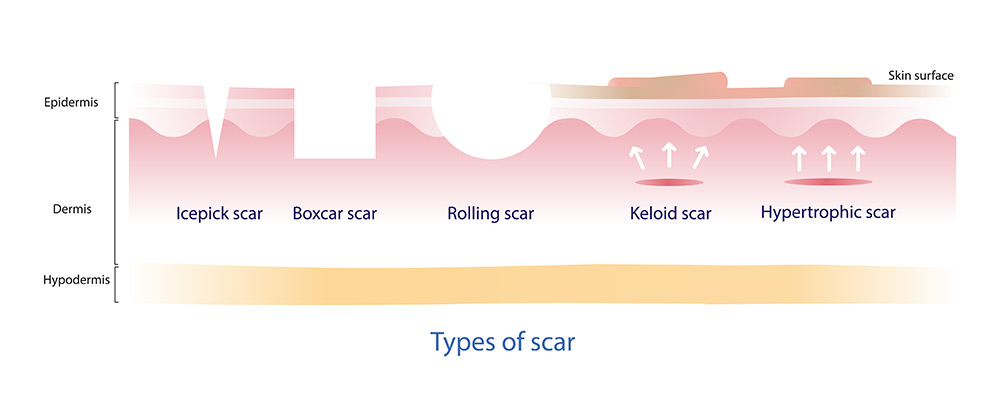
A keloid scar is a type of raised scar that forms when the skin produces excess collagen during the healing process. Instead of remaining confined to the original injury, the scar tissue extends beyond the wound margins and continues to grow after healing has occurred.
Keloid scars can vary in size, colour and firmness and may develop months after the initial skin injury. They are considered a chronic form of scarring and can behave unpredictably, which is why professional assessment is important before considering treatment.
Common Characteristics of Keloid Scars
Keloid scars can differ significantly between individuals in both appearance and behaviour. They are often more prominent than other scar types and may continue to change over time. Understanding these characteristics helps guide appropriate treatment selection and realistic expectations.
Common characteristics of keloid scars may include:
- Raised or thickened scar tissue
- Firm or rubbery texture
- Red, pink, or darker pigmentation
- Extension beyond the original wound boundary
- Sensitivity, itchiness, or discomfort in some cases
What Causes Keloid Scars to Form?
Keloid scar formation is linked to an abnormal healing response rather than the severity of the original injury. During the repair process, the skin produces excessive collagen, leading to raised and expanding scar tissue. Certain individuals are more prone to this response, and keloid scars may develop even after minor skin trauma.
Several factors are commonly associated with the development of keloid scars:
- Excessive collagen production during wound healing
- Genetic predisposition
- Skin tension or repeated trauma
- Delayed or disrupted healing processes
When to Consider Professional Keloid
Scar Treatment
Professional keloid scar treatment may be appropriate when a scar continues to thicken, becomes more noticeable, causes discomfort, or interferes with movement or daily activities. While some scars can be monitored without intervention, active keloid scars may benefit from professional management.
A consultation allows for assessment of scar type, activity level and suitability for treatment, supporting a personalised approach rather than routine intervention.
Keloid Scar Treatment Options
at Prophile Clinics
Keloid scar treatment at Prophile Clinics is guided by clinical assessment and focused on managing scar activity while supporting skin tolerance. Treatment plans are tailored to the individual scar and adjusted over time based on response.
Laser Treatment
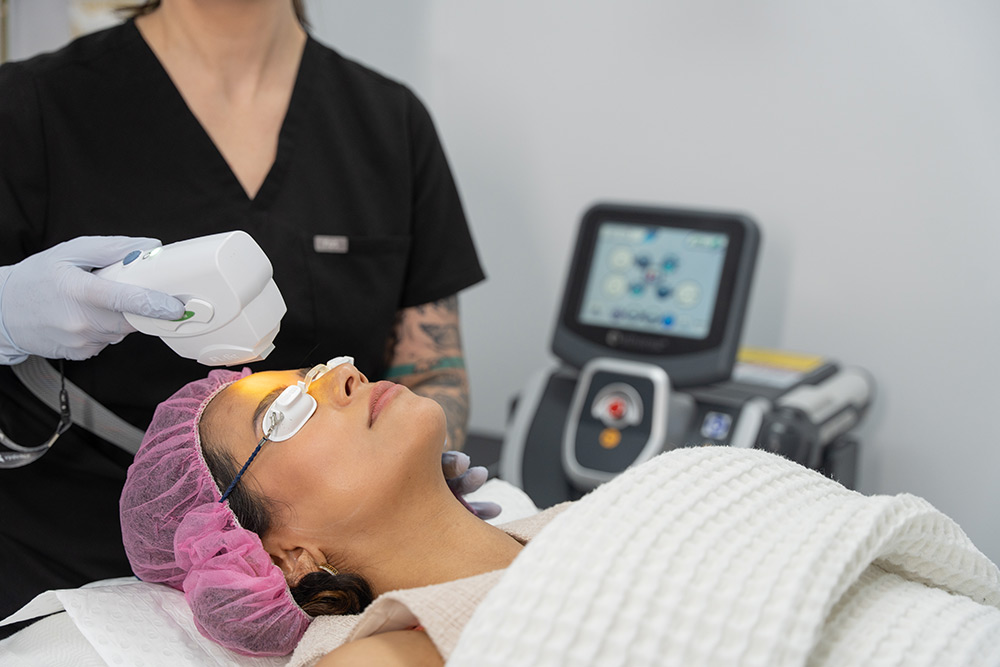
Laser treatment is a primary professional option for managing keloid scars, particularly where redness, vascularity, or active scar tissue is present. This approach is selected to help moderate scar-related changes while minimising disruption to surrounding skin. Treatment parameters are chosen carefully to suit keloid-prone tissue and support gradual improvement rather than aggressive correction.
RF Micro Needling
RF micro needling may be incorporated as a secondary treatment option for keloid scars where scar texture and firmness are key concerns. This treatment focuses on controlled tissue remodelling under professional guidance and is used selectively to reduce the risk of overstimulation in keloid-prone skin.
LED Light Therapy
In some cases, LED light therapy may be used as a supportive treatment within a keloid scar management plan. LED therapy is not intended to correct keloid scars but may assist with calming the skin and supporting recovery when used alongside other treatments.
How Much Does Keloid Scar Treatment Cost?
The cost of keloid scar treatment varies depending on the size, location and behaviour of the scar, as well as the treatment approach recommended. Following a consultation, a personalised treatment plan and a clear cost outline are provided.

Book a Consultation to Find Out How
We Can Help You With Keloid Scar Treatment
Why Choose Prophile Clinics for Your Keloid Scar Concerns?
Prophile Clinics provides careful, assessment-led care for individuals seeking keloid scar treatment. Each treatment plan is developed based on a detailed evaluation of scar type, activity and skin response, allowing for conservative and appropriate management rather than standardised protocols.
Treatments are delivered by qualified practitioners using clinically appropriate technologies, with a focus on realistic outcomes and long-term scar stability. The emphasis is on structured management plans that support scar moderation over time rather than short-term or aggressive correction.

Careful
Facial Assessment
Consultations focus on the type of concern present, the areas involved and factors such as skin texture, skin laxity and visible skin changes.

Personalised
Treatment Planning
Recommendations are guided by clinical judgement and tailored to the individual, rather than following a one-size-fits-all approach.

A Broader
Option Perspective
Where appropriate, pathways discussed may include laser, microneedling, Ultherapy, or other suitable options offered by the clinic.

Professional
Clinical Guidance
Consultations are designed to support informed decision-making, with options based on assessment, suitability and individual needs.

Individualised
Care
Each consultation is shaped around the person in front of the practitioner, with advice tailored to their concerns, presentation and consultation history.
Meet Dr Suvro Mondal
Cosmetic Doctor
AHPRA MED0002045277
MBBS MRCP (London) MRCGP (Oxford) FRACGP (Aus) DRCOG (London) DPD (Cardiff) Dip Skin Cancer.
Dr Suvro Mondal completed his Core Medical Training in the Oxford Deanery in the UK before moving into General Practice. Since relocating to Australia in 2016, he has continued to work as a GP, with a focus on skin health, minor procedures and skin cancer management.
With more than 15 years of medical experience across the UK and Australia, Dr Mondal brings a strong clinical background to aesthetic consultations and consultation planning. His approach is centred on careful assessment, honest guidance and practical recommendations tailored to each client’s individual concerns.

How to book an appointment
To book an appointment, please call us on +61485 960 001, email us at admin@prophileclinics.com.au, or book online via our website.
Frequently Asked Questions
Are keloid scars permanent?
Keloid scars are considered a long-term form of scarring and do not typically resolve on their own. Professional treatment may help reduce their prominence and manage scar behaviour over time.
How are keloid scars treated professionally?
Professional keloid scar treatment is tailored to the individual scar and may involve laser treatment, RF micro needling, or supportive therapies. Treatment selection is guided by scar activity, location and skin tolerance.
Can keloid scars be reduced without surgery?
In many cases, keloid scars can be managed using non-surgical treatments designed to moderate scar thickness, redness and texture. Surgical approaches are not always appropriate for keloid-prone skin.
Do keloid scars come back after treatment?
Keloid scars can recur or remain active, particularly in individuals prone to abnormal scarring. Ongoing management and monitoring are often important for maintaining stable outcomes.
What should I expect from long-term keloid scar management?
Long-term management focuses on gradual improvement and stability rather than complete removal. This often involves careful treatment planning, realistic expectations and periodic review as the scar evolves.
Can keloid scars change over time?
Keloid scars can change gradually, becoming thicker, firmer, or more noticeable over time, particularly if they remain active. Monitoring scar behaviour helps guide whether professional treatment may be appropriate.
Is keloid scar treatment suitable for all skin types?
Keloid scar treatment can be considered for different skin types, but treatment selection and settings must be carefully adjusted. Professional assessment is important to minimise the risk of further scar stimulation.
How long does keloid scar treatment usually take?
Keloid scar treatment is typically delivered over multiple sessions rather than as a single intervention. The timeline varies depending on scar size, location and response to treatment.
How to book an appointment
To book an appointment, please call us on +61485 960 001, email us at admin@prophileclinics.com.au, or book online via the form below.
 Online Marketing For Doctors

