
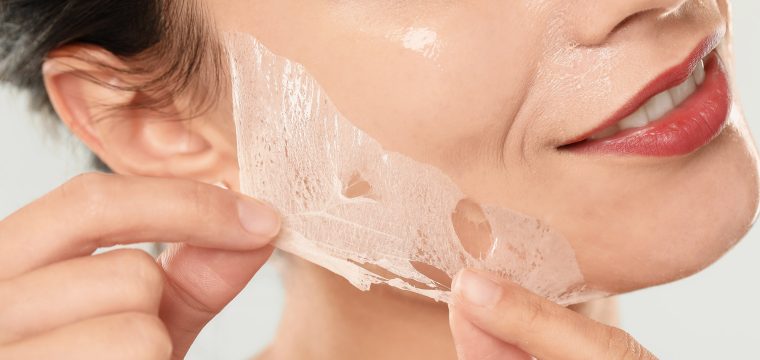
How to Prepare for a Chemical Peel: Getting Your Skin Ready
Last updated on October 6, 2026
Preparing for a chemical peel is mostly about keeping your skin settled rather than starting anything new. In the weeks beforehand, avoid introducing new active products, pause exfoliating treatments as instructed, protect the area from sun exposure, and tell your practitioner about any medicines, recent procedures or changes in your skin. On the day, arrive with the treatment area clean and free of makeup.
The condition of your skin before a chemical peel can influence how it responds during treatment and recovery. Good preparation does not require a complicated new routine. It is mainly about keeping your skin settled, avoiding unnecessary irritation and following the instructions provided for the peel you are having.
Why Your Skin Needs to Be Assessed Before a Peel
Before a peel is selected, your practitioner needs to understand how your skin currently behaves. Persistent dryness, stinging, redness or poor tolerance of everyday products may indicate that the skin is already irritated and needs time to settle.
Your current skincare routine is also relevant because retinoids, exfoliating acids and other active products can increase sensitivity. If you are unsure what a product contains, bring its name or a photograph of the ingredients rather than trying to describe it from memory.

Chemical peel preparation begins with an accurate account of your skincare, medicines and recent treatments.
What to Tell Your Practitioner Before a Chemical Peel
Chemical peel planning involves more than identifying the visible concern you would like to address. Medicines, previous reactions, skin conditions and recent procedures can all affect whether treatment is appropriate and how it should be performed.
Tell your practitioner if you are pregnant or breastfeeding, experience cold sores, have previously developed abnormal scarring or have noticed pigmentation after skin inflammation. You should also provide details of prescribed medicines, topical treatments and any recent laser, light, injectable or skin-renewal procedures. DermNet, a dermatologist-authored reference used widely across Australia and New Zealand, also sets out what is assessed before a chemical peel and the contraindications to be aware of.
Avoid Changing Your Skincare Routine Before a Chemical Peel
Continue using products your skin already tolerates unless your practitioner provides different instructions. Avoid introducing a new retinoid, exfoliating acid or other active product before your peel, as any resulting irritation may affect whether treatment can proceed.
If you are given a specific pre-peel product, follow the recommended frequency and duration. Contact the clinic if your skin becomes persistently red, dry, sore or begins to sting rather than continuing the product until your appointment.
Which Products Should You Pause Before a Chemical Peel?
Some products and treatments can increase skin sensitivity and may need to be paused or appropriately spaced before your peel. The timing depends on the peel and your current routine, and prescribed medicines or topical treatments should not be stopped without advice from the clinician responsible for them.
As a general guide:
- Retinoids: commonly paused around 3 to 7 days before a superficial peel, and longer before a medium-depth peel
- Exfoliating acids: typically paused for a similar window to retinoids, as directed by your practitioner
- Physical scrubs and cleansing brushes: usually avoided for several days beforehand to prevent unnecessary irritation
- Strong or poorly tolerated active ingredients: paused according to your clinician’s specific instructions for your skin
- Waxing, threading or depilatory creams: usually avoided for about 5 to 7 days beforehand
- Laser or light treatments: generally need 2 or more weeks of spacing before a peel
- Other procedures affecting the same area: timing depends on the procedure and should be discussed with your practitioner
These are typical ranges rather than fixed rules. Your clinic’s instructions for your specific peel always take precedence, and prescribed medicines must never be stopped or adjusted without advice from the clinician who prescribed them.
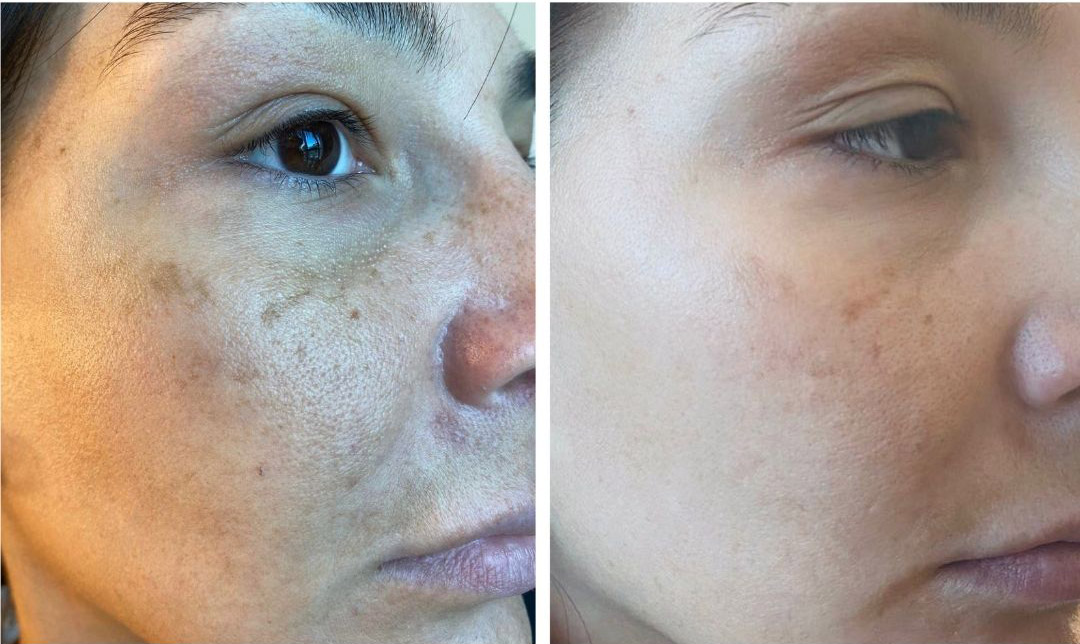
Sunburn, infection or new irritation should be reported before a chemical peel.
Pre-Peel Preparation and Care Timeline
| When | What to do |
|---|---|
| 2 to 4 weeks before | Complete consultation and skin assessment; disclose medicines, pregnancy or breastfeeding, cold sore history, scarring or pigmentation history, and recent procedures; avoid booking other treatments in the same area. |
| 1 to 2 weeks before | Do not introduce any new active products; pause laser, light, or other procedures on the area; step up daily sun protection and stop deliberate tanning. |
| About 1 week before | Pause retinoids and exfoliating acids as instructed; avoid waxing, threading, and depilatory creams; start any pre-peel priming products exactly as directed. |
| The night before | Avoid scrubs, acids, or exfoliating tools; keep your skincare routine gentle and familiar. |
| On the day | Arrive with the area clean and free of makeup; skip unnecessary layers of skincare; report any new stinging, redness, or sensitivity even if the skin looks normal. |
| Straight after | Have the recommended cleanser, moisturizer, and sun protection already at home; keep the following days clear of events where visible peeling would be difficult. |
Preparation timings vary depending on peel depth and individual skin factors; your treating practitioner’s specific instructions take precedence.
Sun Protection Before a Chemical Peel
Sunburnt or recently tanned skin may be more reactive and more likely to develop uneven pigmentation after a chemical peel. Use suitable sun protection and avoid deliberately tanning the treatment area before your appointment. Tell the clinic if you experience significant sun exposure or develop sunburn after the peel has been planned. Trying to settle the skin with last-minute products does not necessarily make it safe to proceed.
When to Contact the Clinic Before Your Chemical Peel
Your skin or general health may change after the original appointment, even when you have followed the preparation instructions carefully. Reporting a new problem allows the practitioner to decide whether the peel can proceed, needs to be modified or should be delayed.
Contact the clinic if you develop:
- Sunburn or significant tanning
- A cold sore or the tingling that may precede one
- Broken, scratched or grazed skin
- A new rash or suspected allergic reaction
- Marked dryness, flaking or stinging
- Inflamed breakouts across the treatment area
- Signs of infection
- A reaction to a preparation product
- A significant change in medication or health
- A recent treatment that was not discussed previously
What to Do on the Day of Your Chemical Peel
Unless you receive different instructions, arrive without makeup on the treatment area and avoid applying unnecessary layers of skincare immediately beforehand. Your skin will still be thoroughly cleansed and prepared before the peel is applied. Mention any recent change in sensitivity, even if your skin looks normal on the day. Stinging during cleansing or difficulty tolerating familiar products may indicate that the skin has become reactive.
Prepare for Chemical Peel Aftercare
Have the cleanser, moisturiser and sun protection recommended by the clinic available before treatment. This avoids having to choose unfamiliar products after your skin has become dry, sensitive or started to peel.
Allow enough time for the expected recovery, particularly if this is your first chemical peel. Redness, dryness and flaking cannot be timed precisely, so avoid scheduling treatment immediately before an event where visible recovery would be difficult to accommodate.
Key Points to Remember Before Your Chemical Peel
- Keep your skin calm, protected and settled rather than starting new products or treatments
- Avoid introducing new retinoids, exfoliating acids or other active products before your peel
- Pause waxing, threading, depilatory creams, and laser or light treatments according to the recommended timeframes
- Protect the treatment area from sun exposure and avoid deliberate tanning beforehand
- Tell your practitioner about pregnancy or breastfeeding, cold sores, abnormal scarring, pigmentation after inflammation, prescribed medicines and recent procedures
- Contact the clinic if your skin becomes persistently red, dry, sore or starts to sting before your appointment
- Arrive with the treatment area clean and free of makeup on the day
At Prophile Clinics, we review your current skincare, recent treatments and the condition of your skin before advising how to prepare. If the area becomes irritated or your circumstances change, we can reassess the timing or treatment plan before proceeding.
Book a Chemical Peel Consultation at Prophile Clinics
To book an appointment, please call us on +61 485 960 001, email admin@prophileclinics.com.au or use the online booking form below.
Chemical Peel Preparation FAQs
How long before a peel should I stop using retinol?
There is no universal interval because retinoid products vary, and different peels require different preparation. Follow the instructions provided for your treatment and do not stop a prescribed retinoid without discussing it with the relevant clinician.
Can I exfoliate the night before a chemical peel?
It is generally best to avoid exfoliating immediately before a peel unless this forms part of specific clinical instructions. Scrubs, acids and exfoliating tools may leave your skin more reactive when the solution is applied.
Can I wax before a chemical peel?
Waxing can remove superficial skin cells as well as hair, so it may increase sensitivity in the treatment area. Ask the clinic how much time is required between waxing and your particular peel.
Should I avoid fake tan before treatment?
Fake tan can make it more difficult to assess your natural skin colour and condition. It should not be applied to the treatment area unless the clinic has confirmed that it will not interfere with assessment or treatment.
What happens if I develop a breakout before my peel?
A small breakout does not automatically prevent treatment, but inflamed, broken or infected lesions may affect what can be treated safely. Contact the clinic rather than aggressively exfoliating or attempting to dry out the area beforehand.
Why does a history of cold sores matter?
Procedures that irritate the skin can reactivate the herpes simplex virus, particularly when treatment is near the mouth. A history of cold sores should therefore be disclosed even when no active lesion is present.
Can I have a chemical peel while taking antibiotics?
It depends on the antibiotic, why it was prescribed and the condition of your skin and general health. Provide the medication details to the clinic and do not stop the course without advice from the prescriber.
Can chemical peels be performed during pregnancy?
Suitability depends on the peel ingredients, treatment purpose and clinic protocol. Pregnancy should always be disclosed so treatment can be delayed or an appropriate alternative discussed where necessary.
How should I plan a peel before an important event?
Allow more recovery time than the minimum estimate, particularly if you have not had that peel before. Redness, dryness and flaking vary, so treatment should not be planned on the assumption that your skin will settle by a precise date.
Do I need to stop all skincare before a peel?
No. Gentle cleansing, moisturising and sun protection may remain part of your routine unless you are instructed otherwise. The products most likely to be reviewed are those that exfoliate, increase sensitivity or have recently caused irritation.

August 25, 2026
August 18, 2026
August 11, 2026

August 4, 2026

July 22, 2026
 Online Marketing For Doctors

