
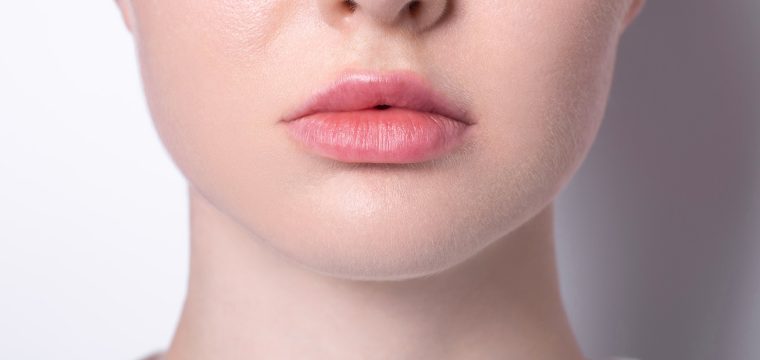
How to Fix Uneven Lips: Why Lip Asymmetry Occurs and What May Help
Last updated on September 1, 2026
Uneven lips, also known as lip asymmetry, can involve subtle or more noticeable differences in lip shape, size or movement. These variations may affect the upper or lower lip, or one side of the mouth compared to the other. In many cases, uneven lips are related to natural facial characteristics, although changes may also develop gradually over time.
This latest blog explores how to fix uneven lips by looking at what may contribute to lip asymmetry, when uneven lips may become more noticeable and what approaches may help support improved lip balance. Understanding these factors can help guide a more informed and measured approach.
Are Uneven Lips Normal?
Uneven lips are common, as natural facial asymmetry exists in most individuals. Subtle differences in lip shape, movement or volume may occur between each side of the mouth, and these variations are often part of normal facial structure rather than a specific concern. Small variations in lip symmetry can occur naturally and may reflect individual facial characteristics rather than a change that requires intervention.
What Causes Uneven Lips?
Uneven lips may develop for a range of reasons, and in many cases, multiple factors may contribute to differences in lip shape or symmetry. These factors may influence lip appearance gradually or may have been present for many years. Understanding these contributing factors can help explain why lip asymmetry occurs.
Common factors that may contribute to uneven lips include:
- Natural facial asymmetry
- Genetics and lip shape differences
- Muscle movement and facial expressions
- Age-related volume changes
- Previous injury or scarring
- Skin laxity around the mouth
- Changes in lip structure over time
When Uneven Lips May Be More Noticeable
Uneven lips may become more noticeable during certain facial movements, particularly when smiling, speaking or making expressions that involve the mouth. Differences in muscle activity between each side of the face may influence how the lips move, which can affect overall lip symmetry.
Lighting, facial angles and skin texture may also influence how uneven lips appear. Changes in skin quality, hydration and structural changes over time may contribute to lip asymmetry becoming more noticeable in certain situations.
Factors That May Influence Lip Symmetry
Lip symmetry may also be influenced by a range of external and structural factors. These influences may change gradually over time and can affect how balanced the lips appear in different settings.
Factors that may influence lip symmetry include:
- Skin hydration and lip condition
- Lip care habits
- Facial muscle movement
- Skin quality and texture
- Lifestyle factors
- Age-related structural changes
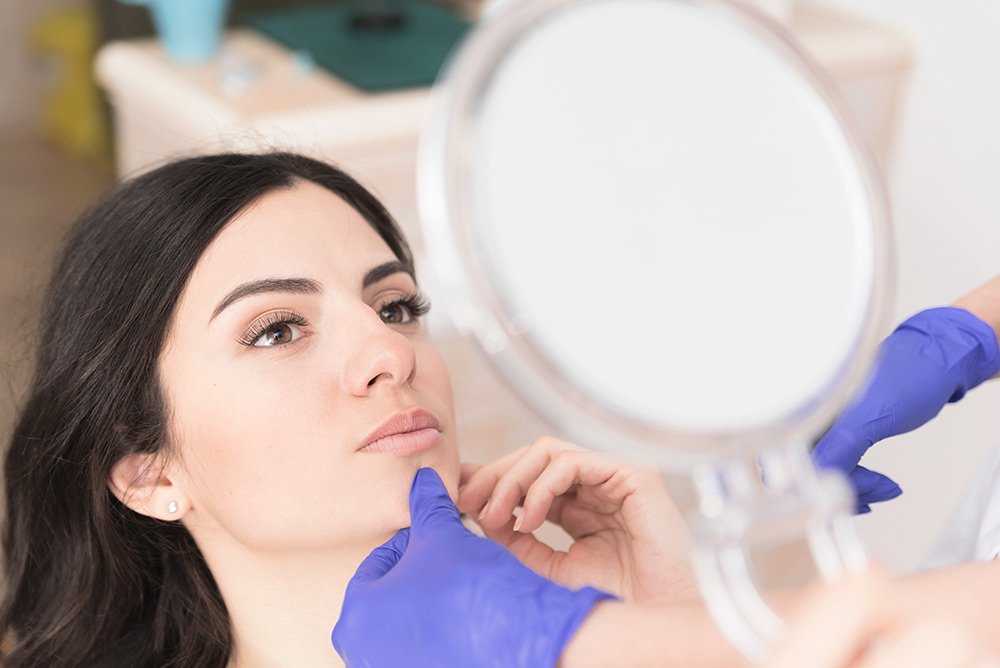
Lip asymmetry may become more noticeable during facial expressions such as smiling or speaking.
Ways That May Help Improve Lip Balance
While lip asymmetry may not always be fully corrected without professional assessment, some approaches may help support improved lip balance and overall lip appearance.
Lip Care and Hydration
Maintaining lip hydration and supporting skin health may help improve the appearance of uneven lips. Dry or textured lips may make asymmetry more noticeable, while consistent lip care may support smoother lip appearance and improved balance.
Facial Movement and Muscle Habits
Repeated facial movements may influence lip symmetry over time. Becoming more aware of muscle habits, such as uneven smiling or lip movement, may help support more balanced facial expressions in some individuals.
Makeup and Non-Treatment Approaches
Makeup techniques may help create the appearance of more balanced lips. Lip liner, shading and contouring techniques may help adjust the visual appearance of uneven lip shape without altering lip structure.
Skin Quality and Lip Texture
Supporting skin quality around the mouth may help improve lip appearance. Skin texture, hydration and overall skin condition may influence how noticeable lip asymmetry appears.
When to Consider Professional Assessment for Uneven Lips
In some cases, uneven lips may remain noticeable despite lifestyle adjustments or lip care approaches. A professional assessment may be considered where lip asymmetry appears more pronounced, develops over time or becomes a cosmetic concern.
A consultation may help assess lip structure, muscle movement and skin characteristics. This can help identify contributing factors and determine whether further management or monitoring may be appropriate.
How Professional Treatment May Support Lip Symmetry
Professional assessment may help guide a more considered approach to uneven lips. Lip symmetry may be influenced by structural, skin-related and movement-related factors, which means treatment planning often varies between individuals.
Following an assessment, approaches may be discussed based on facial characteristics and lip structure. This process is typically gradual and tailored to individual features.
This may include:
- Lip symmetry and facial balance assessment
- Evaluation of upper and lower lip structure
- Consideration of muscle movement and lip dynamics
- Personalised treatment planning
- Gradual and measured approach where appropriate
Understanding Lip Asymmetry and Exploring Your Options
Uneven lips are often a natural part of facial structure, and subtle differences in lip shape or movement are common. In many cases, these variations may not require any intervention, particularly when asymmetry is mild or only noticeable in certain situations.
For those exploring how to fix uneven lips, understanding the factors involved and considering a personalised approach may be helpful. If you would like further guidance, you can contact Prophile Clinics for a professional assessment. A consultation may help evaluate lip structure and facial characteristics to determine a considered and individualised approach.
How to book an appointment
To book an appointment, please call us on +61485 960 001, email us at admin@prophileclinics.com.au, or book online via the form below.
FAQs
Why are my lips uneven when I smile?
Uneven lips may become more noticeable when smiling due to differences in muscle movement on each side of the face. Subtle variations in muscle strength or facial movement patterns may affect how the lips lift or move during expressions, which can influence overall lip symmetry.
Can uneven lips become more noticeable over time?
Uneven lips may appear more noticeable over time due to changes in skin quality, lip structure or muscle movement. Age-related changes, hydration levels and skin elasticity may all influence how balanced the lips appear.
Can lip asymmetry be genetic?
Lip asymmetry may be influenced by genetics, particularly where natural facial structure differs between each side of the face. In many cases, uneven lip shape may have been present for many years and may simply reflect natural facial characteristics.
Does lip hydration affect lip symmetry?
Dry or textured lips may make uneven lips appear more noticeable. Supporting lip hydration and maintaining lip care routines may help improve overall lip appearance and reduce the visibility of asymmetry in some cases.
Can uneven lips affect the overall appearance of the face?
Uneven lips may influence overall facial balance, particularly where lip asymmetry is more noticeable. Subtle differences in lip shape or movement may affect how facial features appear in combination with the surrounding facial structure.




 Online Marketing For Doctors

