
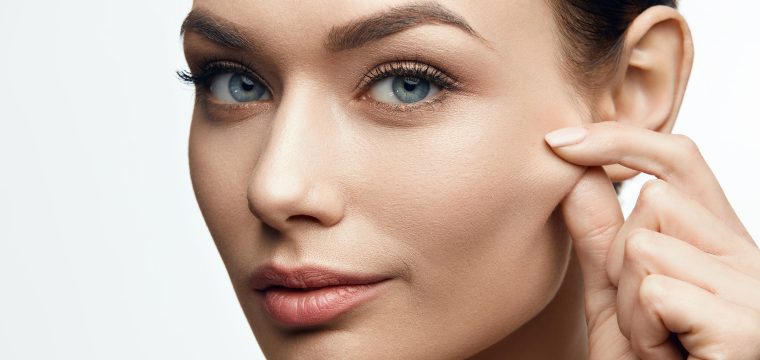
How to Improve Skin Elasticity: Understanding Skin Changes Over Time
Last updated on May 13, 2026
Skin elasticity plays an important role in how the skin looks and behaves over time. As elasticity changes, the skin may appear less firm and subtle shifts in texture or tone may become more noticeable. These changes often occur gradually and can vary depending on individual skin characteristics and lifestyle factors.
Understanding how to improve skin elasticity starts with recognising why these changes occur. Skin elasticity is influenced by a combination of natural ageing, environmental exposure and individual factors. Exploring these influences can help guide appropriate skincare, lifestyle adjustments and professional consultation where appropriate.
Why Skin Elasticity Changes Over Time
Skin elasticity is supported by structural components within the skin, including collagen and elastin. These elements help the skin maintain firmness and flexibility. Over time, natural changes in these components may lead to reduced skin elasticity and changes in overall skin quality.
As skin matures, collagen production may gradually decline, and elastin fibres may become less resilient. These changes can influence how the skin responds to movement and how it settles over time. In addition, skin hydration levels may shift, which can also affect skin texture and firmness.
These changes are a normal part of skin ageing and may occur at different rates depending on individual characteristics. Factors such as genetics, lifestyle and environmental exposure can all contribute to how skin elasticity changes over time.
What Affects Skin Elasticity
Skin elasticity is influenced by a range of factors that may work together over time. These influences can vary between individuals and may affect how quickly or noticeably changes develop. Understanding these factors can help guide approaches to supporting skin quality and maintaining overall skin health.
Factors that may influence skin elasticity include:
- Natural ageing: Collagen and elastin production may gradually decline over time.
- Sun exposure: UV exposure may contribute to changes in skin structure.
- Lifestyle factors: Sleep, nutrition and stress may influence skin behaviour.
- Hydration levels: Skin hydration may affect texture and firmness.
- Skin care habits: Consistent skincare may help support skin quality.
- Genetics: Individual skin characteristics may influence elasticity.
Common Signs of Reduced Skin Elasticity
Reduced skin elasticity often develops gradually and may present in different ways depending on individual skin characteristics. These changes may become more noticeable over time and can affect different areas of the face.
Common signs of reduced skin elasticity may include:
- Skin appearing less firm
- Fine lines becoming more noticeable
- Subtle changes around the jawline
- Changes in skin texture
- Mild skin laxity in certain areas
- Skin appearing less resilient
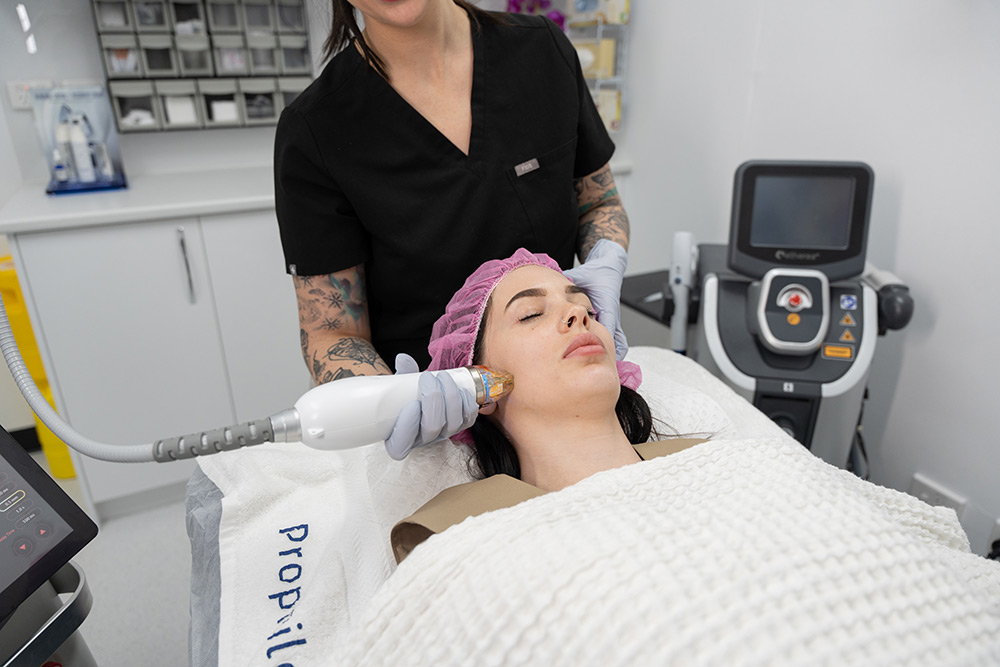
A professional consultation may help assess changes in skin elasticity and explore suitable care options.
How Skin Elasticity May Be Supported
While skin elasticity naturally changes over time, several factors may help support skin quality and overall skin health. These approaches often focus on maintaining hydration, protecting the skin and supporting consistent skincare routines.
Approaches that may help support skin elasticity include:
- Consistent skincare routines: Maintaining regular skincare habits may help support skin quality.
- Sun protection: Protecting the skin from UV exposure may help reduce environmental influences.
- Hydration: Supporting skin hydration may contribute to overall skin appearance.
- Lifestyle considerations: Sleep, nutrition and general wellbeing may influence skin behaviour.
- Skin maintenance: Ongoing care may help support skin quality over time.
In some cases, individuals may also choose to explore professional consultation when noticing changes in skin elasticity. A personalised assessment may help identify contributing factors and discuss suitable options where appropriate.
When to Consider a Professional Skin Assessment
In some cases, individuals may choose to seek professional guidance when noticing changes in skin elasticity. A consultation can help assess individual concerns and explore suitable approaches based on skin characteristics and personal preferences.
During a consultation, relevant areas may be assessed and contributing factors discussed. This may include reviewing skin texture, tone and elasticity, along with lifestyle and environmental considerations. Based on this assessment, suitable options may be discussed where appropriate.
Final Thoughts
Skin elasticity changes naturally over time and may be influenced by a combination of ageing, lifestyle factors and environmental exposure. These changes often develop gradually and vary depending on individual skin characteristics.
Understanding how to improve skin elasticity involves recognising these influences and considering appropriate skincare, lifestyle adjustments and professional guidance where appropriate. If you are noticing changes in skin elasticity or would like to explore suitable options, you can contact us to arrange a professional consultation and discuss your concerns in more detail.
How to book an appointment
To book an appointment, please call us on +61485 960 001, email us at admin@prophileclinics.com.au, or book online via the form below.
FAQs
What causes skin elasticity to decrease?
Skin elasticity may decrease due to natural ageing, changes in collagen and elastin, sun exposure and lifestyle factors. Over time, these influences can affect how firm or resilient the skin appears. The rate of change can vary depending on genetics, environmental exposure and skin care habits.
At what age does skin elasticity start to change?
Skin elasticity may begin to change gradually from the late twenties or thirties, although this varies between individuals. Some people notice subtle changes earlier, while others may observe them later. Factors such as sun exposure, lifestyle and genetics can influence when these changes become noticeable.
Can skincare help support skin elasticity?
Consistent skincare routines may help support overall skin quality and hydration. While skincare cannot stop natural ageing, maintaining a routine may help support skin texture and appearance over time. Sun protection and gentle skin care are often considered important for maintaining skin health.
How do I know if my skin is losing elasticity?
Common signs may include skin appearing less firm, subtle changes in texture, or mild skin laxity in certain areas. Fine lines may also become more noticeable over time. These changes often develop gradually and vary between individuals.
Is reduced skin elasticity normal?
Yes, reduced skin elasticity is a normal part of skin ageing. As collagen and elastin change over time, the skin may appear less firm or resilient. These changes occur at different rates depending on genetics, lifestyle and environmental factors.
Does hydration affect skin elasticity?
Hydration plays a role in overall skin quality and may influence how the skin appears. Well-hydrated skin may appear smoother, although hydration alone does not prevent natural ageing. Supporting hydration may help maintain skin condition over time.
Can lifestyle factors influence skin elasticity?
Lifestyle factors such as sleep, nutrition, stress and sun exposure may influence how the skin changes over time. These factors can affect overall skin health and may influence how gradually or noticeably changes in elasticity develop.






 Online Marketing For Doctors

