
Understanding Dry or Dehydrated Skin and Available Treatment Approaches
Dry or dehydrated skin is a common concern that may affect how the skin feels, behaves and appears over time. Some people notice tightness, flaking, or rough texture, while others experience dullness, sensitivity, or a lack of comfort throughout the day. These changes may develop gradually or appear suddenly, depending on environmental factors, skincare habits and individual skin characteristics.
At Prophile Clinics, both dry skin treatment and dehydrated skin treatment are guided by careful skin assessment and personalised planning. Dry and dehydrated skin may develop for different reasons, so understanding the underlying contributing factors helps support a more suitable and measured treatment approach.
What is Dry or Dehydrated Skin
Dry skin and dehydrated skin are often used interchangeably, but they are not always the same. Dry skin typically refers to a skin type that produces less natural oil, while dehydrated skin is usually linked with a lack of water within the skin. In many cases, these concerns may occur together, which can make the skin feel uncomfortable and appear uneven.
Dry skin may feel rough, flaky, or tight, particularly after cleansing or exposure to environmental factors. Dehydrated skin, on the other hand, may appear dull, less smooth, or more sensitive, even in individuals who naturally have oily or combination skin. These concerns can overlap, which is why dry skin treatment and dehydrated skin treatment are usually guided by individual skin assessment rather than a single approach.
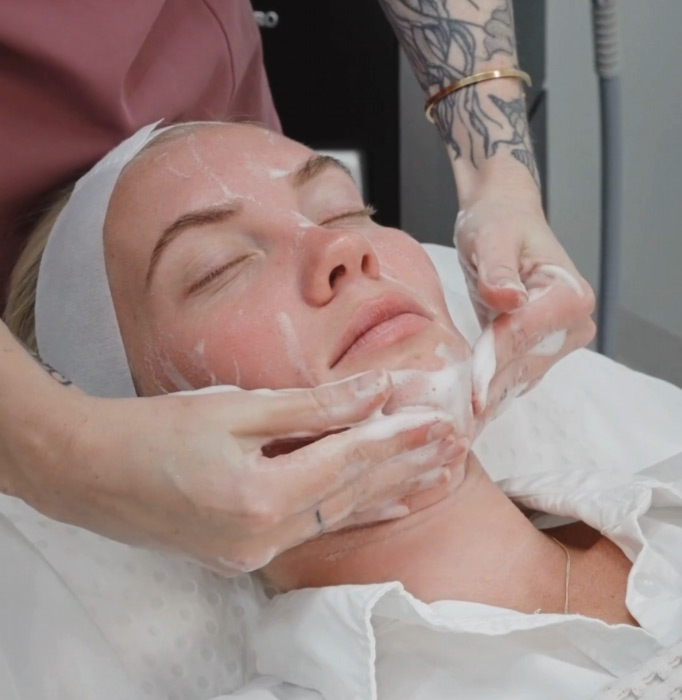
What Causes Dry or Dehydrated Skin
Dry or dehydrated skin may develop due to a combination of internal and external factors. Identifying these contributing elements helps guide a more appropriate and personalised approach to dry skin treatment.
Common contributing factors may include:
- Environmental exposure, such as wind, sun, or low humidity
- Age-related changes affecting skin barrier function
- Skincare products that disrupt natural skin balance
- Reduced oil production associated with skin type
- Dehydration and lifestyle factors
- Frequent cleansing or exfoliation
- Seasonal weather changes
- General changes in skin behaviour over time
Common Signs Of Dark Circles
Under The Eyes
Dark circles can vary in appearance depending on the cause and the skin tone of the individual. Some people notice actual under-eye pigmentation, while others are more aware of shadowing or a generally tired appearance around the eyes.
Common signs may include:
- Brown, grey, blue, or purple-toned discolouration under the eyes
- A darker under-eye area compared with the surrounding skin
- Tired-looking eyes, even when well rested
- More noticeable darkness in certain lighting
- Under-eye shadowing that makes the area look hollow or uneven
- Changes that become more noticeable with age or fatigue
Common Signs of
Dry or Dehydrated Skin
Dry or dehydrated skin may present differently depending on individual skin characteristics and contributing factors. In many cases, these concerns may develop gradually and become more noticeable over time.
Common signs may include:
- Skin that feels tight, particularly after cleansing
- Rough or uneven skin texture
- Flaking or dry patches
- Dull or tired-looking skin
- Increased sensitivity or discomfort
- Fine lines that appear more noticeable when the skin feels dehydrated
- Skin that feels less smooth or supple
- Makeup sitting unevenly on the skin
Can Dry or Dehydrated Skin be Managed
In many cases, dry or dehydrated skin may be supported through a combination of skincare adjustments and professional assessment. The most suitable approach depends on what is contributing to the concern, as dryness may be linked to oil levels, hydration, skin barrier function, or broader changes in skin behaviour.
Dry skin treatment and dehydrated skin treatment are both typically guided by individual skin characteristics, overall skin condition and lifestyle factors. A personalised approach may help support hydration, skin comfort and overall skin quality, depending on the underlying contributing factors.
When to Consider Professional
Dry Skin Treatment
Professional dry skin treatment may be considered when dryness, dehydration, or skin discomfort persists despite consistent skincare. Some people also seek assessment when the skin appears rough, dull, or less comfortable, particularly when these concerns affect overall skin appearance or day-to-day comfort.
A consultation allows the skin to be assessed more closely, including hydration levels, skin barrier behaviour, texture and overall skin condition. This helps guide dry skin treatment in a way that is more tailored and measured than relying on general skincare recommendations alone.
Dry Skin Treatment Options
at Prophile Clinics
Dry skin treatment at Prophile Clinics is guided by clinical assessment and personalised planning. Dry or dehydrated skin may develop for different reasons, so treatment approaches are selected based on individual skin characteristics and contributing factors.
Depending on your assessment, treatment options may involve:
- Hydration-focused skin support approaches
- Skin barrier support and skin quality treatments
- Professional skincare recommendations
- Skin renewal approaches where appropriate
- Combination treatment planning where suitable
The most appropriate dry skin treatment approach depends on your skin type, contributing factors and overall skin behaviour. In some cases, treatment may be planned gradually, with adjustments made based on how the skin responds over time.
How Much Does Dry Skin Treatment Cost?
The cost of dry skin treatment depends on the treatment approach recommended, the condition of the skin and the number of sessions that may be required. Following a consultation, a personalised treatment plan and clear pricing outline are provided based on your individual skin concerns and treatment goals.


Book a Consultation to Find Out How
We Can Help You With Dry Skin Treatment
Why Choose Prophile Clinics for
Dry Skin Treatment
At Prophile Clinics, dry skin treatment is guided by careful skin assessment and personalised planning rather than a one-size-fits-all approach. Dry and dehydrated skin may develop for different reasons, so treatment is selected based on what is observed during consultation.

Personalised
Skin Assessment
Treatment planning is guided by hydration levels, skin texture and overall skin behaviour.

Professional
Non-surgical Care
A range of suitable approaches may be considered based on individual needs.

Tailored
Treatment Planning
Care is adjusted depending on contributing factors and skin response.

Focus on
Skin Condition
Treatment planning considers overall skin quality and hydration support.

Ongoing
Support
Treatment plans may be adjusted over time depending on how the skin responds.
Meet Dr Suvro Mondal
Cosmetic Doctor
AHPRA MED0002045277
MBBS MRCP (London) MRCGP (Oxford) FRACGP (Aus) DRCOG (London) DPD (Cardiff) Dip Skin Cancer.
Dr Suvro Mondal completed his Core Medical Training in the Oxford Deanery in the UK before moving into General Practice. Since relocating to Australia in 2016, he has continued to work as a GP, with a focus on skin health, minor procedures and skin cancer management.
With more than 15 years of medical experience across the UK and Australia, Dr Mondal brings a strong clinical background to aesthetic consultations and consultation planning. His approach is centred on careful assessment, honest guidance and practical recommendations tailored to each client’s individual concerns.

How to book an appointment
To book an appointment, please call us on +61485 960 001, email us at admin@prophileclinics.com.au, or book online via our website.
Frequently Asked Questions
What is the difference between dry and dehydrated skin?
Dry skin is typically linked with reduced oil production, while dehydrated skin refers to a lack of water within the skin. These concerns may occur separately or together, which is why assessment may help guide a more suitable approach.
Can oily skin still be dehydrated?
Yes, oily skin can still become dehydrated. Even when oil production is higher, the skin may still lack water, which can lead to dullness, tightness, or uneven texture.
Can weather affect dry or dehydrated skin?
Environmental factors such as wind, sun exposure and low humidity may contribute to dry or dehydrated skin. Seasonal changes may also influence how the skin behaves over time.
Can skincare help with dry skin?
Skincare may help support hydration and skin comfort, particularly when dryness is mild. When dryness or dehydration persists, professional assessment may help determine whether additional support may be appropriate.
How do I know if I need professional dry skin treatment?
Professional dry skin treatment may be considered when dryness, discomfort, or uneven texture persists despite regular skincare. A consultation can help assess contributing factors and guide a personalised approach.
How to book an appointment
To book an appointment, please call us on +61485 960 001, email us at admin@prophileclinics.com.au, or book online via the form below.
 Online Marketing For Doctors

