
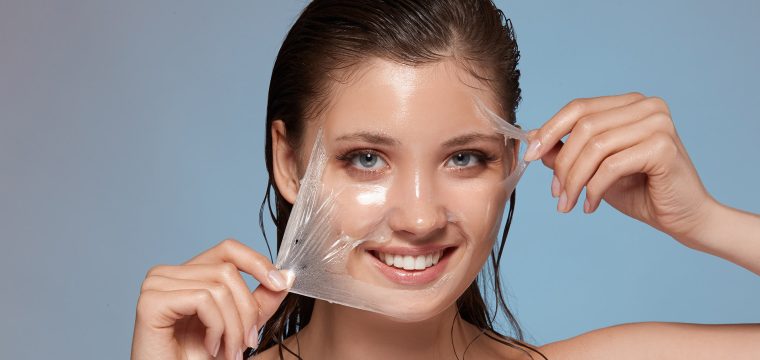
How Do Chemical Peels Work? A Beginner’s Guide
Last updated on October 6, 2026
Chemical peels work by applying an acid solution that loosens the bonds holding dead cells together at the skin surface, so those cells shed and are replaced by newer ones underneath. How deep the peel reaches, and therefore how much recovery it involves, is set by the ingredient, its concentration and pH, how many layers are applied and how long the solution stays on the skin.
Your skin continually produces new cells and sheds older ones. This renewal happens naturally, but dead cells can sometimes build up at the surface, contributing to roughness, dullness and uneven-looking tone. A chemical peel uses a carefully selected solution to remove some of this outer build-up in a controlled way.
Peel depth and formulation determine how the skin responds, from mild surface exfoliation to a more involved deeper peel with a longer recovery. The sections below cover superficial versus deeper peels, what happens to the skin during and after treatment, and the risks worth understanding beforehand, including burns, blistering, scarring, pigmentation changes in darker skin tones and cold sore reactivation.
What Is a Chemical Peel?
During a chemical peel, a solution containing one or more active ingredients is applied to the skin for a controlled period. The solution creates a level of exfoliation that can range from very superficial to much deeper, depending on the formulation and how it is used.
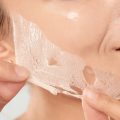
A chemical peel does not always result in obvious peeling. Some formulations cause only mild dryness or fine flaking, while others produce more noticeable shedding. The amount of peeling you can see does not necessarily indicate how well the treatment has worked.
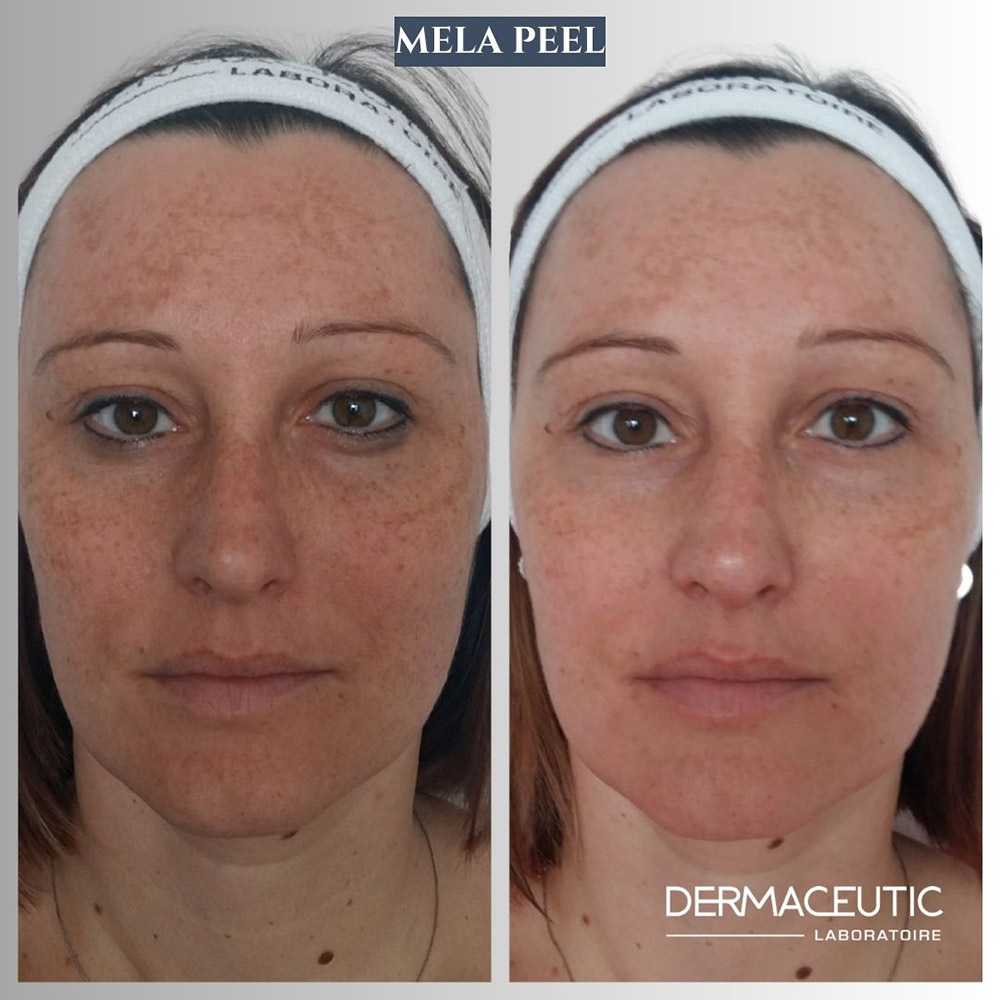
Chemical peel depth and recovery depend on the formulation used and how the treatment is applied.
How Chemical Peel Solutions Exfoliate the Skin
Peel solutions loosen the bonds that hold older cells together within the layers being treated. This process, known as desquamation, describes the natural shedding of dead surface skin cells, which a chemical peel accelerates in a controlled way. These cells can then shed more readily as the skin renews, which may improve selected concerns involving surface texture, congestion or uneven-looking tone
Different peel ingredients create different levels of exfoliation. Common acid families include alpha hydroxy acids (AHAs) such as glycolic acid and lactic acid, typically used at concentrations from around 20% to 70% for superficial work; beta hydroxy acids (BHAs) such as salicylic acid, commonly used at 20% to 30%; and trichloroacetic acid (TCA), generally used at 10% to 35% for medium-depth treatment. A light peel may work within the outermost part of the epidermis, while a stronger formulation can reach further and require a longer recovery period
What Determines the Depth of a Chemical Peel?
Several factors determine how deeply a chemical peel works. The acid or active ingredient matters, but so do its concentration, pH, complete formulation and the way it is applied. Your skin also influences the response. Skin thickness, treatment area, current sensitivity and products used beforehand can all affect how the solution works.
The main factors include:
- The active ingredient or combination of ingredients
- The concentration and pH of the solution
- The complete formulation of the product
- The number of layers applied
- How long the solution remains on the skin
- The condition and thickness of the treatment area
- Products or treatments used beforehand
- The practitioner’s application technique
The Difference Between Superficial, Medium and Deep Peels
Chemical peels are classified according to the layers of skin they reach. These categories help explain why one peel may involve little visible recovery while another requires substantially more preparation, aftercare and healing time. Not every clinic offers every depth of peel, and deeper treatment is not automatically more suitable.
Comparison of Chemical Peel Depths Across Clinical Criteria
| Criterion | Superficial | Medium-depth | Deep |
|---|---|---|---|
| Skin layer reached | Outer epidermis | Through the epidermis into the upper dermis | Deeper into the reticular dermis |
| Typical active ingredients | Low-strength AHAs (glycolic, lactic), BHAs (salicylic), low-concentration TCA | Trichloroacetic acid (TCA) 20–35%, Jessner’s solution | Phenol formulations, high-concentration TCA (>50%) |
| Visible recovery | Minimal redness, mild flaking over 1–3 days | Several days of visible peeling, redness, and swelling | Extended healing over multiple weeks with crusting and peeling |
| Preparation required | Little to no pre-treatment priming | Structured topical priming protocol prior to application | Extensive medical preparation and pre-procedure protocol |
| Risk level | Low risk profile | Moderate risk profile | Significant risk profile requiring strict monitoring |
| Typically used for | Mild texture variations, surface congestion, subtle tone unevenness | Moderate sun damage, superficial fine lines, patchy pigmentation | Pronounced structural lines, severe photoaging, deep scarring |
| Where performed | Routine clinical settings | Clinical settings requiring trained health practitioner oversight | Specialist medical settings, often requiring cardiac monitoring and sedation |
Superficial Chemical Peels
Superficial peels work within the epidermis, which is the skin’s outer layer. They may be considered for selected concerns involving dullness, mild congestion, surface texture or uneven-looking tone.
Medium-Depth Chemical Peels
Medium-depth peels reach beyond the most superficial epidermal layers and create more extensive exfoliation. They involve greater visible recovery and a higher risk of complications, so careful preparation and aftercare are required.
Deep Chemical Peels
Deep peels reach considerably further into the skin and require a much longer recovery period. They carry more significant risks and are very different from the lighter peels associated with routine skin treatments.
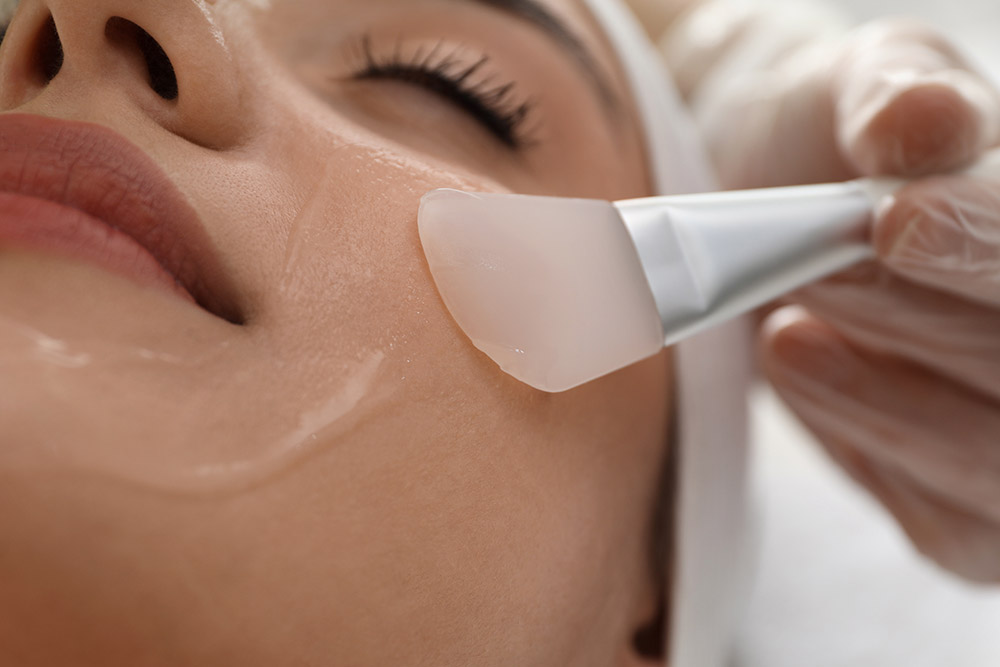
Careful application and observation help the practitioner manage how the skin responds during a chemical peel.
What Happens During Chemical Peel Treatment?
The skin is first cleansed and prepared before the selected peel is applied. Depending on the formulation, the solution may be neutralised, removed or allowed to complete its action, and you may experience warmth, tingling or stinging while the skin is monitored.
A chemical peel appointment may involve:
- Cleansing and preparing the treatment area
- Protecting sensitive areas where necessary
- Applying the peel in a controlled, even manner
- Monitoring the skin throughout the application
- Adding further layers where appropriate
- Removing or neutralising the solution according to its protocol
- Applying suitable post-treatment skincare
- Providing instructions for the recovery period
What to Expect After a Chemical Peel
Your skin may look pink, feel tight or become more sensitive after treatment. Dryness, flaking and visible peeling can develop over the following days, although the timing and extent depend on the formulation, peel depth and individual response.
Aftercare generally involves gentle cleansing, suitable moisturisation and consistent sun protection. Avoid picking or pulling at peeling skin, as this can cause further irritation and increase the risk of pigmentation changes or scarring.
Chemical Peel Risks and Possible Complications
Temporary redness, dryness and sensitivity can form part of the expected recovery after a chemical peel. More significant complications are also possible, particularly when a peel reaches deeper layers or the skin does not heal as expected. DermNet, a dermatologist-authored reference used widely across Australia and New Zealand, also publishes detailed information on chemical peels and their complications.
Possible risks include:
- Prolonged redness, irritation or swelling
- Excessive peeling, crusting or delayed healing
- Burns or blistering
- Temporary or persistent pigment changes
- Reactivation of cold sores
- Infection
- Scarring
- An unexpected reaction to an ingredient or aftercare product
How the Right Chemical Peel Is Chosen
A stronger chemical peel is not automatically a better choice. Creating more inflammation than your skin needs can lengthen recovery and increase the risk of complications without guaranteeing a better result
A peel should be selected according to the concern being addressed, the current condition of your skin and the treatment depth required. Skin colour, sensitivity, previous reactions, existing pigmentation and the amount of recovery you can accommodate should all be considered.
Treatment may need to be delayed if your skin is sunburnt, broken, infected or acutely inflamed. Pregnancy or breastfeeding, a history of cold sores, recent procedures, prescribed medicines and a tendency towards abnormal scarring should also be discussed beforehand. The Australasian College of Dermatologists A to Z of Skin provides independent, dermatologist-written information on skin conditions and cosmetic treatments, and a directory for finding a dermatologist if your concern needs specialist assessment.
At Prophile Clinics, different peel formulations can be considered according to your skin and the concern being addressed. Before proceeding, you should understand why a particular peel has been recommended, what it may realistically change and what treatment and recovery are likely to involve.
Book a Chemical Peel Consultation at Prophile Clinics
To book an appointment, please call us on +61 485 960 001, email admin@prophileclinics.com.au or use the online booking form below.
Chemical Peel FAQs
Do all chemical peels cause visible peeling?
No. Some superficial peels cause mild dryness or fine flaking rather than sheets of visible skin. The amount of peeling is not a reliable measure of whether the treatment has produced an appropriate response.
Can I wash my face after a chemical peel?
This depends on the formulation and the aftercare instructions provided by your practitioner. You may be advised to wait for a set period or use only a gentle cleanser and lukewarm water while your skin recovers.
When can I wear makeup after a chemical peel?
Makeup should not be applied until the recommended time has passed and the surface of your skin is intact. Applying it too soon may increase irritation or introduce bacteria to skin that is temporarily more vulnerable.
Should I remove skin that is peeling after treatment?
No. Allow peeling skin to detach naturally because pulling or exfoliating it can damage the skin underneath. Picking may also increase the likelihood of prolonged redness, pigmentation changes or scarring.
Can a chemical peel make pigmentation worse?
Pigment changes can occur, particularly when the skin becomes excessively inflamed or is exposed to ultraviolet light during recovery. Skin colour, treatment depth, previous pigmentation and aftercare all need to be considered when assessing this risk.
Can chemical peels be used on darker skin tones?
Selected chemical peels may be suitable for darker skin tones, but the formulation and depth must be chosen carefully. A history of pigmentation following inflammation or previous treatment is particularly important to disclose.
How frequently can chemical peels be performed?
There is no single treatment interval that applies to every peel. Timing depends on the formulation, treatment depth, skin response and whether a single treatment or planned course is being considered.
Can I have a chemical peel if I experience cold sores?
A history of cold sores does not always prevent treatment, but it must be discussed because skin procedures can reactivate the virus. Preventative medication may be considered in some circumstances following appropriate medical advice.
Can chemical peels be combined with other skin treatments?
Some treatments can form part of the same broader plan, but appropriate spacing is important to avoid excessive inflammation. Timing depends on the procedures involved, the treatment area and how fully your skin has recovered.
Can a chemical peel be used for active acne?
That depends on the type and severity of acne, the condition of your skin and the peel being considered. Inflamed, broken or highly reactive skin may require a different approach, and chemical peels are not suitable for every form of acne.

August 25, 2026

August 18, 2026
August 11, 2026

August 4, 2026

July 22, 2026
 Online Marketing For Doctors

